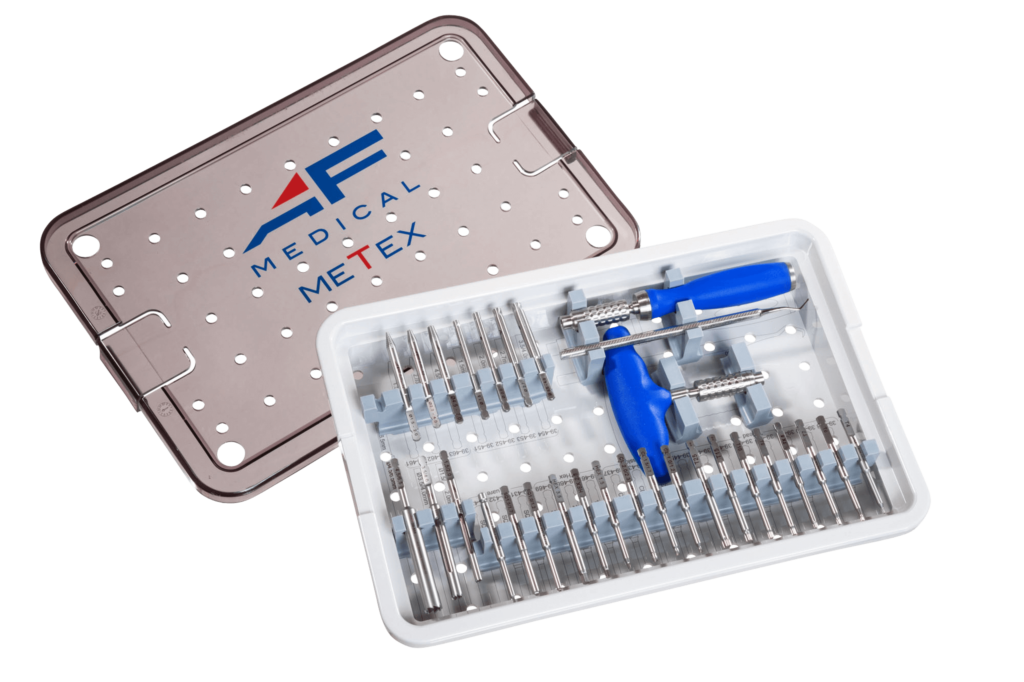
A fracture can turn ordinary moments into careful calculations: stepping off a curb, carrying a mug, or getting comfortable at night. The right support may help, but no supplement or device can guarantee faster recovery. Bone Healing depends on several factors, including fracture type, blood supply, overall health, and the treatment plan set by a qualified clinician.
Orthopedic surgeon and bone-health specialist Dr. Susan Bukata’s guidance can be paraphrased this way: “Support the body’s healing, but never treat a product as a substitute for proper fracture care.” That distinction matters. A prescribed brace or mobility aid may protect an injury, while adequate protein and key nutrients can support general health. Supplements are not automatically helpful; needs vary, and some may interact with medicines. Ask your healthcare professional before starting them.
This guide compares commonly discussed Bone Healing products, from practical recovery aids to nutritional options. It looks at what each may do, what evidence can and cannot show, and which safety details deserve attention. Small details count. A poorly fitted support, an unnecessary supplement, or advice that conflicts with your care plan can complicate recovery. There are no shortcuts. Still, informed choices can make daily recovery more manageable—and help you ask better questions at your next appointment.
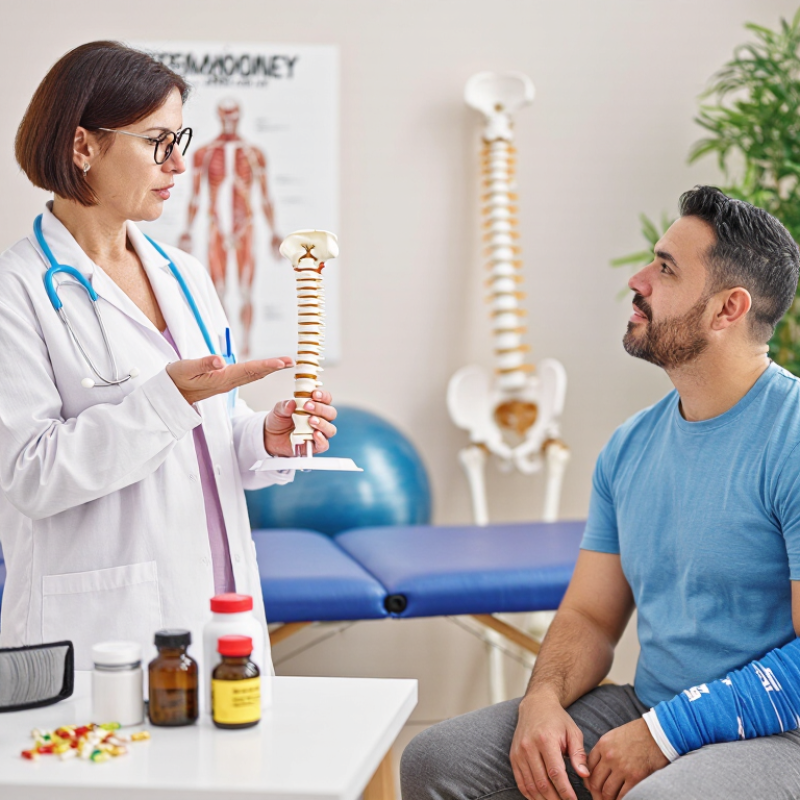
After a fracture, the body begins a carefully timed repair process. Blood collects around the break and forms a clot, creating a base for healing cells. Over the following weeks, a soft callus bridges the gap. It later becomes harder bone, then gradually reshapes under everyday stress. It takes time.
Recovery is not perfectly tidy. The pace depends partly on the fracture’s location, severity, and stability. A cast or other treatment helps keep bone ends aligned, while follow-up imaging lets a clinician check progress. Blood flow matters, too. Smoking can impair it, and conditions such as diabetes may slow repair. Some medicines can affect bone healing, so ask a healthcare professional before changing prescribed treatment.
Nutrition supports the process, but no single product guarantees faster healing. Regular meals with protein, calcium-rich foods, and sources of vitamin D can help meet the body’s needs. Supplements may be useful when a deficiency is identified, but more is not always better. Sleep and following weight-bearing instructions also matter. A missed appointment or pushing through sharp pain can complicate recovery; when symptoms worsen, seek medical advice. Small details matter.

Bone repair needs more than a bottle of supplements. Calcium and vitamin D help maintain the mineral structure of bone, but taking extra does not guarantee a faster union. The NIH Office of Dietary Supplements lists 1,000 mg of calcium daily for most adults aged 19–50; women over 50 and adults over 70 generally need 1,200 mg. Its vitamin D guidance is 600 IU daily through age 70, then 800 IU. These are general intake targets, not fracture-healing prescriptions. That distinction matters.
Food can make those targets practical: yogurt at breakfast, canned salmon with soft bones, or fortified milk alternatives. Calcium is absorbed best in amounts of 500 mg or less at one time, according to NIH guidance. Protein also supports tissue repair, while vitamin C helps form collagen, a component of bone. Still, evidence for specific supplements speeding fracture healing is uneven. The awkward truth: a “bone formula” may add little if someone already eats well. A clinician can review diet, medicines, kidney health, and the fracture itself before suggesting supplements; excessive intake can cause problems. Recovery is rarely neat, and nutrition is only one part of it.
| Nutrient | How It Supports Bone Health | Adult Daily Intake Guide | Food Sources | Supplement Considerations |
|---|---|---|---|---|
| Calcium | A major mineral in bone tissue; adequate intake supports normal bone maintenance and mineralization. | 1,000 mg for most adults; 1,200 mg for women aged 51–70 and all adults aged 71 and older. | Dairy products, calcium-fortified foods, calcium-set tofu, and some leafy greens. | Supplement only to help meet an intake shortfall. Check with a clinician if you have kidney disease, a history of kidney stones, or take medicines that may interact. |
| Vitamin D | Helps the body absorb calcium and contributes to normal bone mineralization. | 600 IU (15 mcg) for adults aged 19–70; 800 IU (20 mcg) for adults aged 71 and older. | Fatty fish, egg yolks, and fortified milk or plant-based alternatives. | A blood test can help identify deficiency. The adult upper limit is 4,000 IU (100 mcg) per day unless a clinician recommends supervised treatment. |
| Protein | Provides amino acids needed for body tissues, including the collagen framework of bone. | The general adult RDA is 0.8 g per kg of body weight per day; individual needs vary with health and circumstances. | Beans, lentils, eggs, dairy, fish, poultry, meat, nuts, and seeds. | Protein powders can be a convenient food supplement when intake is inadequate, but they have not been established as a treatment that speeds fracture healing. Ask a clinician about kidney disease or other dietary restrictions. |
| Vitamin C | Supports collagen formation, which is important to connective tissues and the bone matrix. | 75 mg for adult women and 90 mg for adult men; people who smoke need an additional 35 mg per day. | Citrus fruit, berries, kiwi, bell peppers, tomatoes, and broccoli. | A varied diet usually supplies vitamin C. High-dose supplements can cause digestive upset and may be unsuitable for some people, including those prone to kidney stones. |
| Magnesium | Contributes to bone structure and participates in processes involved in mineral metabolism. | 310–320 mg for adult women and 400–420 mg for adult men. | Nuts, seeds, legumes, whole grains, and leafy green vegetables. | The 350 mg adult upper limit applies to magnesium from supplements and medications, not food. Supplements can interfere with the absorption of some medicines. |
| Zinc | Supports normal protein synthesis and other processes involved in tissue maintenance. | 8 mg for adult women and 11 mg for adult men. | Meat, shellfish, dairy, beans, nuts, and fortified cereals. | The adult upper limit is 40 mg per day from all sources. Long-term high intake can cause copper deficiency and other adverse effects. |
Important: Supplements are most useful when they correct an inadequate intake or a diagnosed deficiency. Evidence does not show that taking extra nutrients beyond recommended amounts reliably speeds fracture healing. Follow your fracture-care plan and consult a healthcare professional before starting supplements, especially if you take medication or have a chronic condition.
Bone healing products work best when they support a clinician’s treatment plan, not replace it. A properly fitted cast, walking boot, or brace can limit movement around a fracture. Crutches or a walker may reduce pressure while the bone repairs. Small details matter: a boot that rubs the ankle can cause skin irritation, so check the fit and report persistent discomfort.
For some fractures that heal slowly, a clinician may consider a bone growth stimulator. Depending on the device, it uses electrical or magnetic fields, or low-intensity ultrasound, near the injury site. These devices are not suitable for every fracture, and evidence varies by method and patient. Follow the prescribed schedule; more use does not necessarily mean faster healing. Keep follow-up appointments so the care team can assess progress with examination or imaging.
Nutrition also plays a role. Adequate protein, calcium, and vitamin D support normal bone health, but supplements are not a shortcut. A clinician can help identify a deficiency and check for interactions with medicines. The less convenient truth is that no product can reliably erase healing time. Smoking, poor fit, missed follow-ups, and returning to strenuous activity too early may undermine recovery. Be patient. Bones are slow.
The right support depends on the fracture, its location, healing progress, and your health. A bone growth stimulator may be considered for delayed healing, but it does not replace clinical follow-up. Ask your orthopedist what outcome the product is meant to support and how progress will be measured. Fit matters. A brace that slips against the skin or a device used inconsistently may be less useful.
Evidence is not the same for every product. In the 2016 BMJ TRUST trial, 501 patients with tibial shaft fractures received standard care, with some also using low-intensity pulsed ultrasound. The trial found no meaningful improvement in functional recovery. This finding applies to that treatment and patient group, not every bone-healing device. Your clinician should weigh the evidence alongside imaging, fracture stability, and conditions such as diabetes or smoking, which can affect healing.
“Bone healing products” can include calcium or vitamin D supplements, protective supports, and prescribed bone-stimulation devices. Their usefulness depends on the fracture, overall health, and whether a deficiency exists. A supplement cannot stabilize a broken bone. Not a shortcut. Ask a clinician or pharmacist to review the label, dose, allergies, and medicines; calcium can affect how some drugs are absorbed. More is not automatically better. A diet review or blood test may show that extra nutrients are unnecessary.
Evidence varies by product and injury. Some bone stimulators may be considered for selected fractures that heal slowly, but they do not replace proper alignment, immobilization, or follow-up imaging. Ask first. Use a device only when a qualified clinician recommends it, and follow its instructions and schedule. Keep appointments even when pain eases; discomfort alone cannot confirm that a bone has united. Follow weight-bearing limits and discuss smoking, which can hinder healing. Online product advice can sound reassuring, but it may leave out important details about fracture type and treatment. That uncertainty deserves an honest conversation, not a promise of faster recovery.