Orthopedic Innovation Trends and Solutions for 2026 How To Guide?
The field of orthopedic innovation is evolving rapidly. With technological advancements, new methods and solutions are emerging. By 2026, innovations could reshape how we approach orthopedic care. This guide explores trends shaping the future of orthopedics.
Current developments focus on personalization and improved outcomes. Robotics and AI are playing critical roles. These technologies enhance surgical precision and recovery times. However, it’s crucial to address potential challenges. Integration into existing systems can be difficult.
Furthermore, training healthcare professionals is vital for effective implementation. The demand for skilled practitioners will increase. Adopting these innovations requires a commitment to continuous learning. By understanding the trends, stakeholders can better prepare for changes on the horizon. Embracing orthopedic innovation is not just beneficial; it is necessary for better patient care.
Orthopedic Innovation Trends in 2026: Key Market Insights
The orthopedic market is evolving rapidly, with significant innovations anticipated by 2026. Current trends indicate a strong demand for minimally invasive surgical technologies. According to recent market analysis, the global orthopedic device market is projected to reach over $63 billion by 2026. This growth highlights the increasing focus on patient-centric solutions and improved surgical outcomes.
Artificial intelligence (AI) and machine learning are transforming diagnostics and treatment plans. These technologies help orthopedic surgeons analyze patient data more efficiently. Studies suggest that AI can reduce surgical errors by up to 30%. However, the integration of such tech raises questions about data privacy and reliability.
Sustainability in orthopedic manufacturing is another crucial trend. Many companies are exploring eco-friendly materials, shifting away from traditional plastics. Reports suggest that environmentally friendly approaches can reduce overall production waste by approximately 40%. However, the challenge remains in balancing cost-effectiveness with sustainability, as not all innovative materials prove to be more economical.
Orthopedic Innovation Trends: Projected Market Growth (2022-2026)
This bar chart illustrates the projected growth of the global orthopedic market from 2022 to 2026, showcasing a steady increase in market size driven by advancements in orthopedic technologies and solutions.
Emerging Technologies Shaping Orthopedic Solutions for the Future
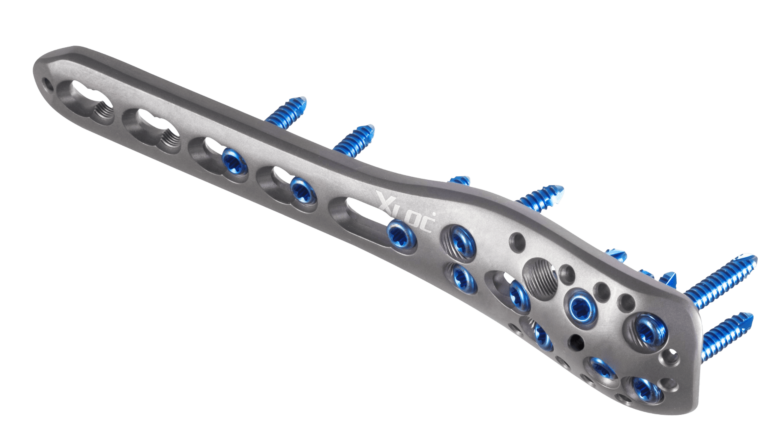
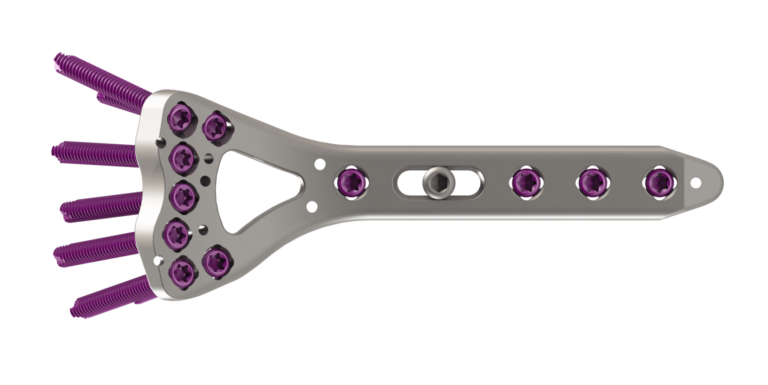
Emerging technologies are transforming orthopedic solutions. One notable trend is the integration of 3D printing in creating custom implants.
This advancement allows for personalized fittings, leading to enhanced comfort and performance post-surgery. Surgeons can design implants that cater to the specific anatomy of a patient, reducing recovery time.
Robotics also play a significant role in orthopedic surgery. Robotic-assisted procedures enhance precision and reduce error margins. Surgeons can perform intricate procedures with unprecedented accuracy.
However, reliance on technology raises questions about skill dilution among surgeons. It is essential to balance innovation with the development of surgical expertise.
Artificial intelligence is another game-changer. AI algorithms assess patient data, predicting outcomes more effectively than traditional methods. These insights enable better decision-making in treatment plans.
Nonetheless, dependency on AI systems may pose risks if data bias occurs. Trusting technology requires continuous evaluation and improvement.
These innovations create exciting possibilities but also demand careful consideration of their implications.
Data-Driven Approaches: Enhancing Patient Outcomes in Orthopedics
Data-driven approaches are transforming orthopedics. By utilizing patient data, healthcare professionals can enhance patient outcomes significantly. With advanced analytics, it is now possible to predict complications before they occur. Hospitals are investing in technologies that allow real-time data monitoring. This shift leads to more personalized treatment plans.
Implicit in these advancements are challenges. Data privacy regulations can complicate the use of patient data. Not all healthcare providers are equipped with the necessary tools to analyze data effectively. Bridging this gap is crucial for success. Providers must prioritize training in data interpretation. The integration of data into clinical workflows is also proving to be a hurdle.
Incorporating patient feedback is vital. Understanding patient experiences can directly influence improvements in care. Monitoring patient-reported outcomes can refine surgical techniques and post-operative care. Engaging patients through mobile apps encourages active participation in their recovery. This approach builds trust and fosters a collaborative environment between patients and providers.
Orthopedic Innovation Trends and Solutions for 2026 - Data-Driven Approaches: Enhancing Patient Outcomes in Orthopedics
| Innovation Trend |
Description |
Expected Impact |
Implementation Timeline |
| Robotic-Assisted Surgery |
Integration of robotic technology for precision in orthopedic surgeries. |
Improved surgical outcomes and reduced recovery times. |
2024 - 2026 |
| 3D Printing of Implants |
Customization of implants through 3D printing technology. |
Enhanced fit and function leading to better patient satisfaction. |
2025 |
| Telemedicine Consultations |
Remote consultations for pre and post-operative care. |
Increased accessibility and convenience for patients. |
2023 - 2026 |
| AI in Diagnosis |
Utilizing AI for improving diagnostic accuracy in orthopedic conditions. |
Faster diagnosis and personalized treatment plans. |
2024 - 2025 |
| Wearable Technology |
Devices to monitor patient activity and rehabilitation progress. |
Better adherence to rehabilitation protocols. |
2026 |
Sustainable Practices in Orthopedic Manufacturing: A 2026 Perspective
Sustainable practices in orthopedic manufacturing are gaining traction as we approach 2026. The focus is shifting towards materials that reduce environmental impact. For instance, biodegradable plastics and recycled metals can significantly lessen waste. Innovations in sourcing raw materials will play a crucial role in achieving sustainability.
Manufacturers are also exploring energy-efficient production methods. Implementing solar energy in factories can help decrease carbon footprints. Yet, the adoption of these technologies presents challenges. Not all manufacturing processes are compatible with green methods. Finding a balance between efficiency and sustainability can be complex.
Consumer awareness is increasing. Patients are more informed about the environmental impacts of their treatment options. This shift pushes healthcare providers to demand sustainable products. However, not every option is available in the market. There is still a long way to go in making eco-friendly orthopedic devices mainstream. Addressing these gaps requires collaboration across industries and a commitment to continuous improvement.
Regulatory Changes Impacting Innovation in Orthopedic Devices and Treatments
Regulatory changes are reshaping the landscape of orthopedic innovation. In recent years, legislators have aimed to streamline the approval processes for orthopedic devices. These changes are designed to enhance patient safety while also encouraging innovation. New frameworks are emerging that prioritize real-world evidence and post-market surveillance. This shift allows for faster adaptation to technological advancements.
As companies navigate these regulations, challenges may arise. The balance between rigorous testing and expedience can lead to concerns about device efficacy. Moreover, understanding local regulations is complex. Differences in requirements across regions can hinder global product launches. Some innovators may overlook the need for robust regulatory strategies. This could result in delayed access for patients needing new treatments.
Collaboration with regulatory bodies is essential. Engaging with these authorities early can clarify expectations and facilitate smoother paths to market. Continuous education on regulatory trends will empower innovators. As the orthopedic field evolves, proactive engagement and strategic planning will be crucial. It ensures that advancements align with patient needs and safety standards.