Orthopedic Implants Manufacturer

7 Tips for Choosing Dental Implant Materials

Choosing dental implant materials is not a simple contest between titanium and ceramics. The right option depends on oral health, bite forces, bone conditions, treatment goals, and the clinician’s experience. Small details matter: a history of metal sensitivity, a thin gumline, or heavy grinding can change the discussion. There is no universal best choice.

Professor Tomas Albrektsson, a researcher known for work on osseointegration, has emphasized the importance of evaluating implants through clinical evidence and long-term outcomes. A concise paraphrase of that principle is: “Choose by evidence and biology, not by labels alone.” That distinction matters. Product descriptions can sound reassuring, but they cannot predict how every patient will heal or maintain an implant.

This guide presents seven practical tips for comparing Implant Materials, including biocompatibility, strength, corrosion resistance, appearance, and available clinical evidence. It also considers how material choice interacts with implant design and surgical planning. Ask your dental professional which evidence supports a recommendation, and how your own health factors into it. Be curious. Be realistic. Even careful planning cannot remove every uncertainty, and that is worth acknowledging. The aim is not to choose a material from a headline, but to have a better-informed conversation about a durable, appropriate treatment plan.
7 Tips for Choosing Dental Implant Materials

Understand the Main Types of Dental Implant Materials

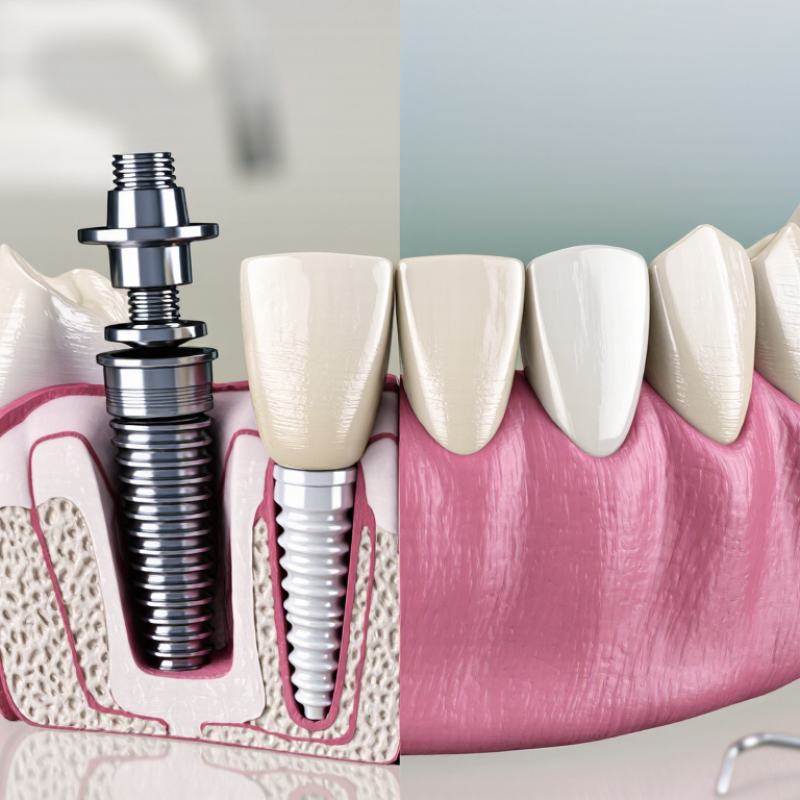
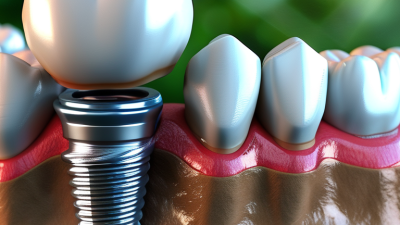
Dental implants are commonly made from titanium or zirconia, a strong ceramic. Titanium has a long clinical track record. Its thin oxide surface supports integration with bone, while the metal can be shaped into different implant designs. Zirconia is tooth-colored, so it may suit cases where dark metal could show through thin gum tissue. But appearance is only one factor. Bone volume, gum thickness, bite forces, and the planned restoration also matter.

The evidence base is not equal. Howe and colleagues’ 2019 systematic review in the Journal of Dentistry estimated 10-year implant survival at 94.6% (95% confidence interval: 93.1–96.1%). This pooled estimate covers implant studies, not a direct titanium-versus-zirconia comparison; long-term evidence is especially established for titanium. Zirconia studies show promising results, but systematic reviews note fewer long-term observations. That gap matters. Newer material does not automatically mean better.

Material choice also affects practical details. A clinician may consider whether the implant is one-piece or two-piece, how the crown connects, and whether the site faces heavy chewing forces. Zirconia can be less forgiving if a design fractures; titanium can raise aesthetic concerns beneath thin tissue. Neither concern applies equally to every patient. Ask your dentist to explain the evidence for the specific design, not just the material name. I’d want that distinction made clearly.

Compare Biocompatibility and Allergy Risks

7 Tips for Choosing Dental Implant Materials
Compare Biocompatibility and Allergy Risks

Material choice is not just a question of strength. Tissue response and a patient’s medical history matter, too. A peer-reviewed systematic review of dental implant studies estimated confirmed titanium allergy at about 0.6%. The authors also noted limited, inconsistent evidence, so that figure is not a personal risk prediction. Reactions are uncommon, but not impossible. A red, itchy rash from jewelry or a past reaction to metal is worth discussing with your dentist before surgery.

Tips: Share any known allergies, skin-test results, and past implant reactions. Ask what material the implant and its components contain. If sensitivity is suspected, discuss whether specialist assessment or another material, such as zirconia, is appropriate. I would not treat a patch test as a crystal ball; test results do not always predict how tissue will respond around an implant. Zirconia may suit some patients, but its long-term clinical evidence is less extensive than titanium’s. Ask your clinician to explain that trade-off in plain language. Dental decisions deserve specifics, not guesses.

7 Tips for Choosing Dental Implant Materials — Compare Biocompatibility and Allergy Risks
Tip What to compare Biocompatibility and allergy considerations Practical question for your dentist
1 Compare established implant materials, especially titanium and zirconia. Titanium implants have extensive clinical use and a well-documented record of integration with bone. Zirconia is a ceramic material with no metal in its composition and is also used for dental implants. Which material is suitable for my treatment plan, bone conditions, and overall health?
2 Ask for the exact composition, not just the material category. Implants may be made from commercially pure titanium or a titanium alloy. Some titanium alloys contain aluminum and vanadium. Components elsewhere in the restoration may use different materials. Can I review the material specifications for the implant, abutment, and crown?
3 Share any confirmed metal allergies and prior reactions. Reported titanium hypersensitivity is uncommon, and its diagnosis and relationship to implant problems are not always clear. A reaction to one metal does not automatically mean a reaction to every implant material. Does my allergy history change the materials you recommend, or warrant evaluation by a specialist?
4 Consider every part of the restoration, not only the implant fixture. Abutments, screws, crowns, and other dental components can have different compositions. For example, some restorations may include metal alloys even when the implant fixture is titanium. Which materials will be used in each part of my restoration?
5 Ask how allergy testing would be interpreted. There is no universally accepted test that reliably predicts how every patient will respond to a dental implant. Skin or laboratory test results need to be interpreted alongside symptoms and clinical history. Would testing change the treatment plan, and who should interpret the results?
6 Balance material preference with clinical evidence and treatment needs. Both titanium and zirconia implant systems are used clinically, but the available evidence and long-term experience can vary by system, design, and indication. Material choice alone does not determine treatment success. What evidence supports this option for my specific case, and what are its limitations?
7 Review the complete plan, including maintenance and follow-up. Healing, gum health, oral hygiene, bite forces, smoking, and ongoing dental care can all affect outcomes. New swelling, persistent pain, rash, or other concerning symptoms should be assessed by a dental professional. What follow-up is planned, and whom should I contact if symptoms develop?

Note: This table provides general information, not a diagnosis or personal treatment recommendation. A dentist or qualified specialist can assess your medical history and discuss the benefits and risks of the materials available for your case.

Assess Strength, Durability, and Long-Term Performance

Strength is only one part of implant performance. Ask how a material responds to repeated chewing forces, not just a single load in a laboratory test. People who grind their teeth or have a strong bite may place different demands on an implant. Small details matter. Your dentist can assess bite, bone quality, and the space available before recommending a material.

Titanium and ceramic materials have different properties, and neither is automatically right for every patient. Titanium has a long clinical history and can bond closely with bone. Ceramic options may suit some patients’ needs, but their design and long-term evidence should be discussed carefully. Ask about fracture risk, corrosion resistance, and how the implant’s shape affects stress on surrounding bone. A number on a strength chart rarely tells the whole story.

Durability also depends on placement, healing, and daily care. Smoking, gum disease, and missed dental checkups can affect outcomes, regardless of material. Ask what evidence supports the proposed option and how long similar implants have been followed. That takes time. It is tempting to treat the highest strength rating as the clear winner; that shortcut can overlook your bite, medical history, and the dentist’s experience with the procedure.

How to read this chart: Elastic modulus measures stiffness. Approximate representative values are 105 GPa for commercially pure titanium, 110 GPa for titanium alloy, and 210 GPa for zirconia. Actual values vary by grade and processing. Stiffness alone does not determine implant strength, durability, or clinical success; design, material quality, placement, and patient factors also matter.

Consider Appearance and Compatibility with Your Jawbone

Tip 1: Look beyond the crown’s shade. The implant sits in bone, but the abutment and crown can affect what shows through thin gums. Ask your dentist to assess gum thickness, your smile line, and neighboring tooth color. Small details matter.

Tip 2: Match the material to your jaw, not a trend. Titanium has a long clinical track record and is widely used. Zirconia may suit some patients seeking a metal-free option. Neither is automatically best. Your dentist should review scans, bone volume, bite forces, and medical history before recommending a material. A scan helps.

Tip 3: Ask how the material and implant design work together. A narrow ridge, teeth grinding, or limited space may affect the plan. Your dentist may discuss grafting or a different implant position. Compatibility is individual. Ask why a recommendation fits your case and what follow-up checks you will need. It is tempting to choose by appearance alone, but that can overlook how your jaw supports the implant.

Review Clinical Evidence and Discuss Options with Your Dentist

Before choosing an implant material, look beyond a clinic’s brochure and ask what clinical studies support its use. Give more weight to peer-reviewed research with clear patient groups, follow-up periods, and reported complications. Short studies can miss problems that appear years later. Evidence varies. Compare titanium and zirconia for your specific situation, rather than treating either as universally better. Ask whether the research covers single teeth, multiple implants, or particular jaw conditions. Those details matter. It is easy to overvalue a clean chart; check what the study actually measured.

Bring your medical history, medication list, and questions to the consultation. Ask your dentist to explain why a material may suit your bone volume, gum condition, bite forces, and planned restoration. Request plain-language information about long-term outcomes, tissue response, fracture risk, and options if an implant fails. Discuss allergies or sensitivities, but avoid drawing conclusions from symptoms alone; these concerns need careful clinical assessment. Ask how the material may affect imaging, maintenance, and future repairs. Pause if needed. Published results may not match your exact case, and that uncertainty is worth discussing openly.