China’s Orthopedic Trauma sector is becoming more important as hospitals seek reliable implants, instruments, and responsive technical support. The World Health Organization’s Global Status Report on Road Safety 2023 recorded approximately 1.19 million road traffic deaths annually. Millions more people survive with fractures, disability, or prolonged rehabilitation needs. The Global Burden of Disease Study 2021 also identifies fractures as a major contributor to injury-related health loss worldwide.
These figures create practical pressure on trauma systems. Surgeons need plates that contour accurately, screws with dependable threads, and instruments that remain functional after repeated sterilization. China’s manufacturers and suppliers increasingly serve these needs through trauma plates, intramedullary nails, external fixation systems, and specialized surgical tools. However, product variety alone proves little. Traceability, material verification, quality management, and clinical feedback deserve closer attention.
As orthopaedic trauma pioneer Sir Robert Jones stated, “The treatment of fractures is not a matter of opinion, but of principles.” That principle still matters. A well-designed implant must fit real anatomy, not only a catalogue photograph. Supplier evaluation should therefore examine ISO 13485 certification, regulatory registration, inspection records, and post-market responsiveness. These details can affect a patient’s recovery.
The market is not perfectly transparent. Some claims require verification. This guide examines leading China-based Orthopedic Trauma manufacturers and suppliers through product capability, manufacturing experience, quality controls, export readiness, and service support. Price matters. Clinical reliability matters more.
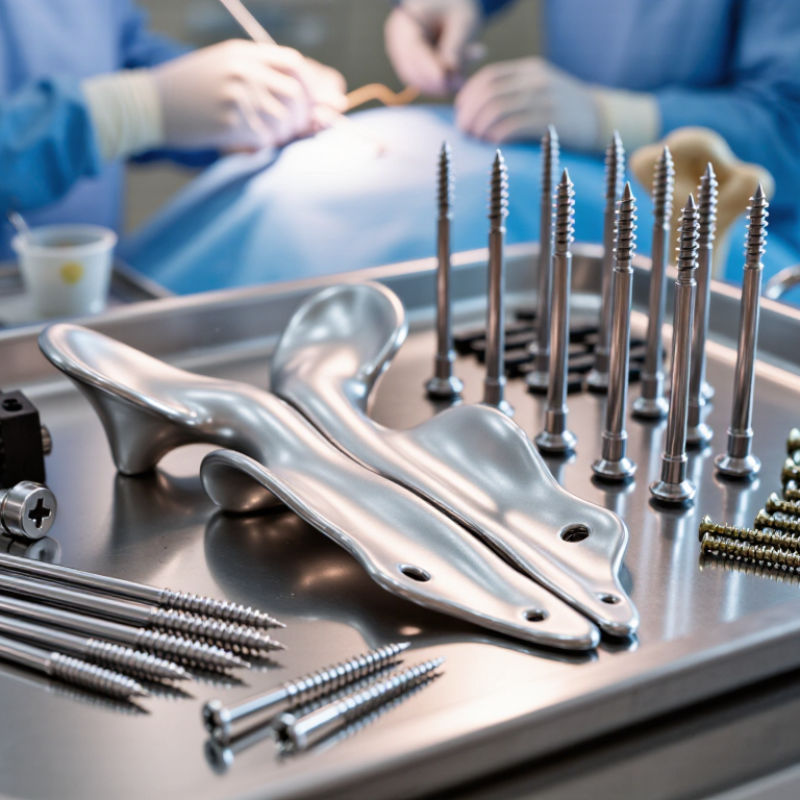
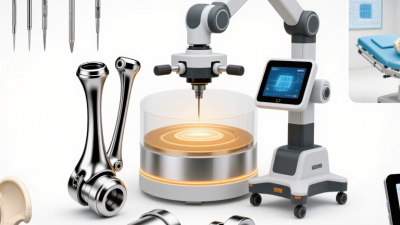
China’s orthopedic trauma manufacturing sector covers products used to stabilize broken bones and support surgical recovery. Its scope includes bone plates, screws, intramedullary nails, external fixation systems, surgical instruments, and related accessories. Manufacturing also involves material selection, precision machining, surface treatment, cleaning, packaging, and traceability.
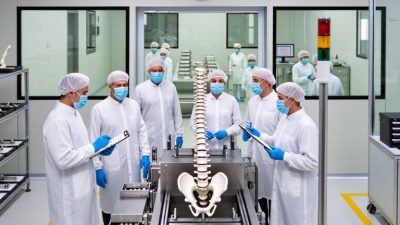
Experienced manufacturers usually connect engineering decisions with surgical practice. They study implant geometry, screw placement, instrument handling, and sterilization requirements. Quality control may include dimensional inspection, material verification, fatigue testing, and batch documentation. Reliable suppliers should explain these processes clearly. A factory visit can reveal more than a polished catalog. Look for controlled production areas, calibrated equipment, trained inspectors, and records that match the shipment. Not every supplier has equal technical depth. This deserves careful review.
Tips: Ask for material certificates, test reports, product drawings, and traceability procedures. Confirm whether the supplier supports custom designs and regulatory documentation for your target market. Check packaging details, because small labeling errors can delay clinical use. Avoid judging capability by price alone. A lower quotation may hide limited testing or inconsistent inspection. Even strong factories can improve communication, so record specifications in writing and review samples before larger orders.
| Data Dimension | Definition or Scope | Typical Products or Activities in China | Relevant Technical or Regulatory Considerations |
|---|---|---|---|
| Industry Definition | Orthopedic trauma manufacturing covers products used to stabilize, fix, repair, or support traumatic injuries of bones and related musculoskeletal structures. | Fracture fixation implants, external fixation systems, surgical instruments, and selected trauma-related orthopedic devices. | Products are generally designed for surgical treatment, temporary or permanent fixation, and restoration of anatomical alignment and function. |
| Core Trauma Applications | Manufacturing scope is linked to the location and characteristics of traumatic fractures or bone damage. | Upper-limb, lower-limb, pelvic, acetabular, clavicle, ankle, foot, and spinal trauma applications. | Implant selection depends on fracture pattern, bone quality, anatomical site, patient condition, and surgical technique. |
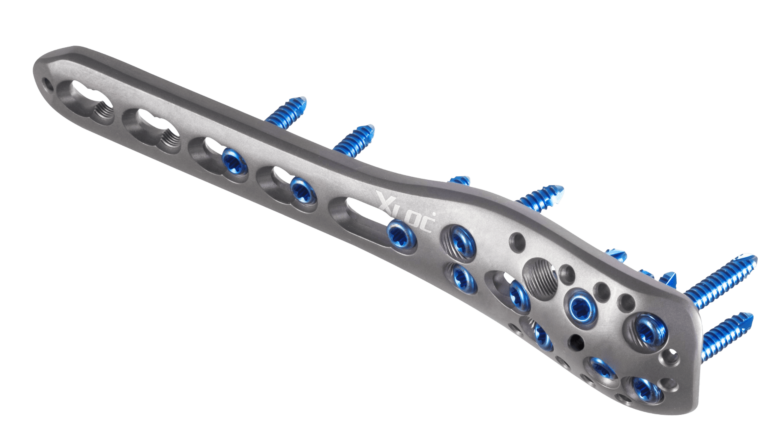
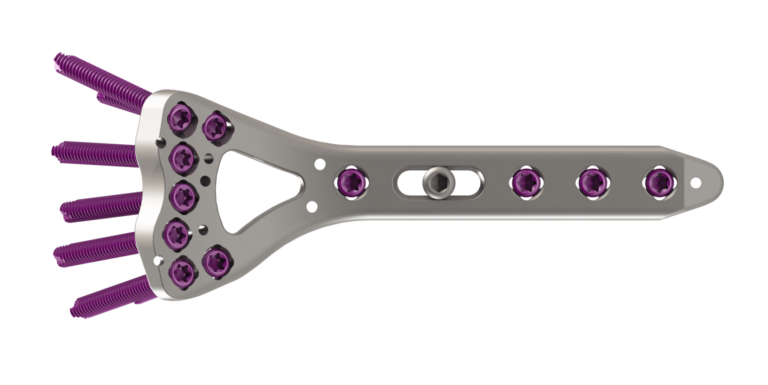
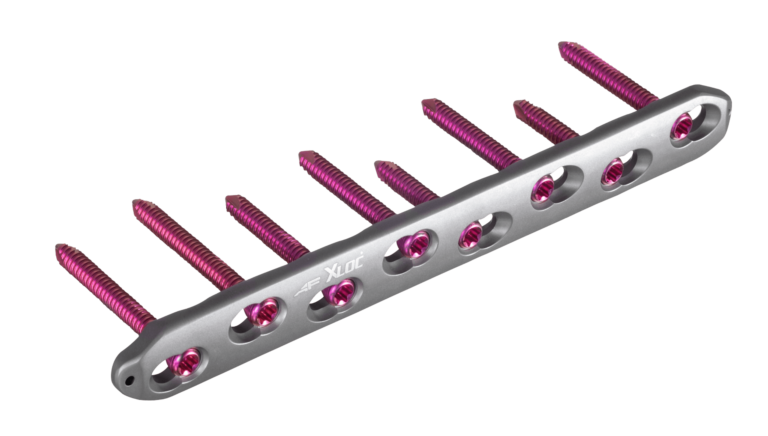
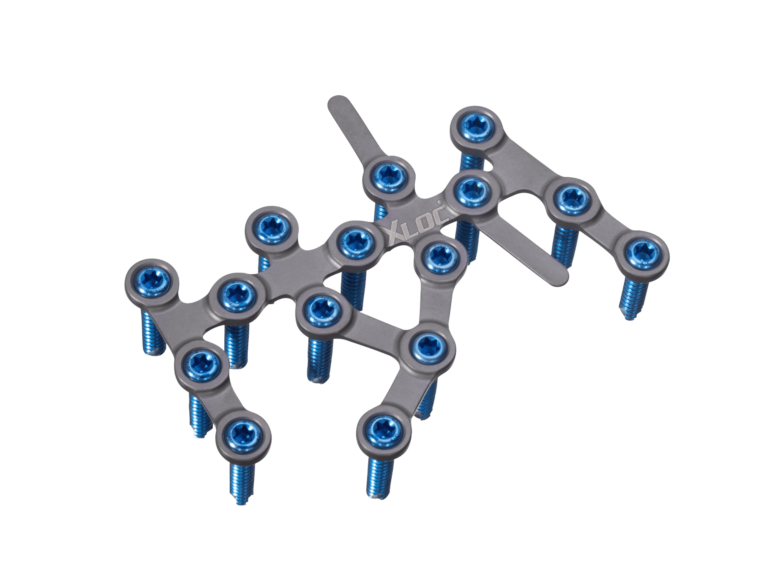
| Plate Systems | Plates are contoured fixation devices secured to bone with screws to maintain reduction and provide stability. | Compression plates, locking plates, reconstruction plates, limited-contact plates, and anatomically pre-contoured plates. | Design evaluation commonly addresses hole geometry, locking performance, fatigue strength, bending characteristics, and anatomical fit. |
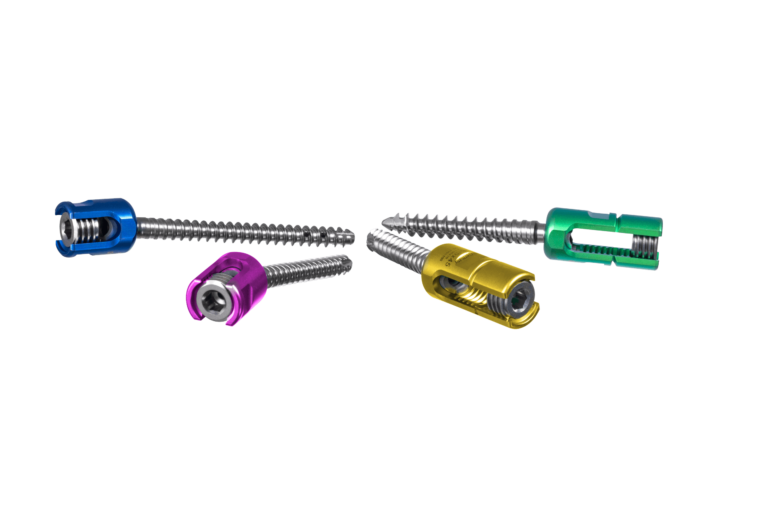
| Screw Products | Bone screws provide compression, fixation, or locking connection between an implant and bone. | Cortical screws, cancellous screws, locking screws, cannulated screws, and self-tapping screws. | Important parameters include thread profile, core diameter, pitch, insertion torque, pull-out resistance, and driver compatibility. |
| Intramedullary Nail Systems | Intramedullary nails are inserted into the medullary canal to stabilize selected long-bone fractures. | Femoral, tibial, humeral, and other long-bone nail systems with interlocking screws and targeting instruments. | Product development considers nail geometry, bending and torsional strength, interlocking accuracy, and instrument alignment. |
| External Fixation | External fixation stabilizes bone through pins or wires connected to an external frame. | Unilateral frames, circular frames, hybrid frames, clamps, rods, pins, and fixation wires. | Frame rigidity, pin or wire fixation, adjustability, corrosion resistance, and cleaning or sterilization requirements are key considerations. |
| Common Implant Materials | Materials are selected for biocompatibility, mechanical performance, corrosion resistance, and manufacturability. | Implant-grade titanium and titanium alloys, stainless steel, and selected cobalt-chromium alloys. | Material specifications, chemical composition, surface condition, mechanical properties, and biological safety must be controlled. |
| Manufacturing Processes | Orthopedic trauma production combines precision machining, forming, finishing, cleaning, packaging, and inspection. | CNC machining, forging, laser marking, polishing, passivation, surface treatment, ultrasonic cleaning, and sterile-barrier packaging. | Process validation, traceability, dimensional inspection, particulate control, and contamination prevention are important quality activities. |
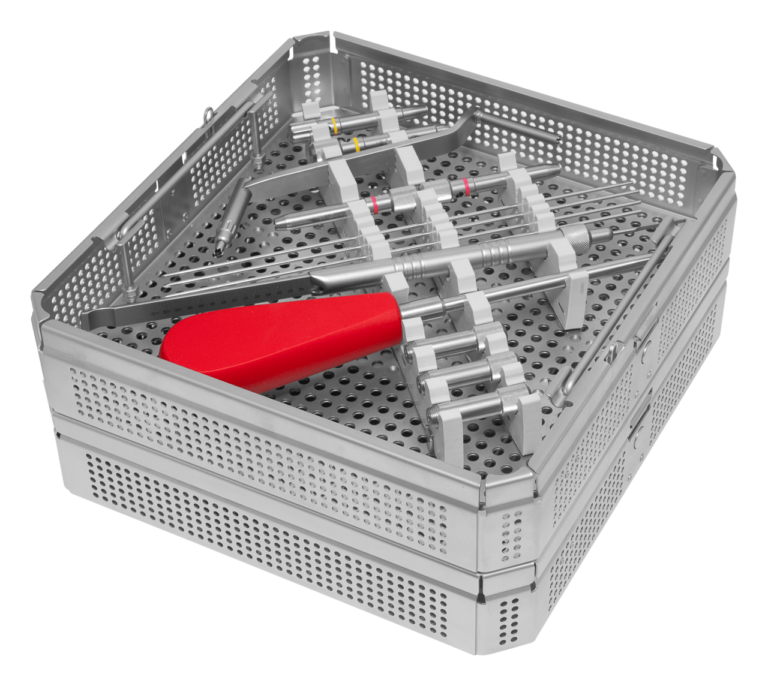
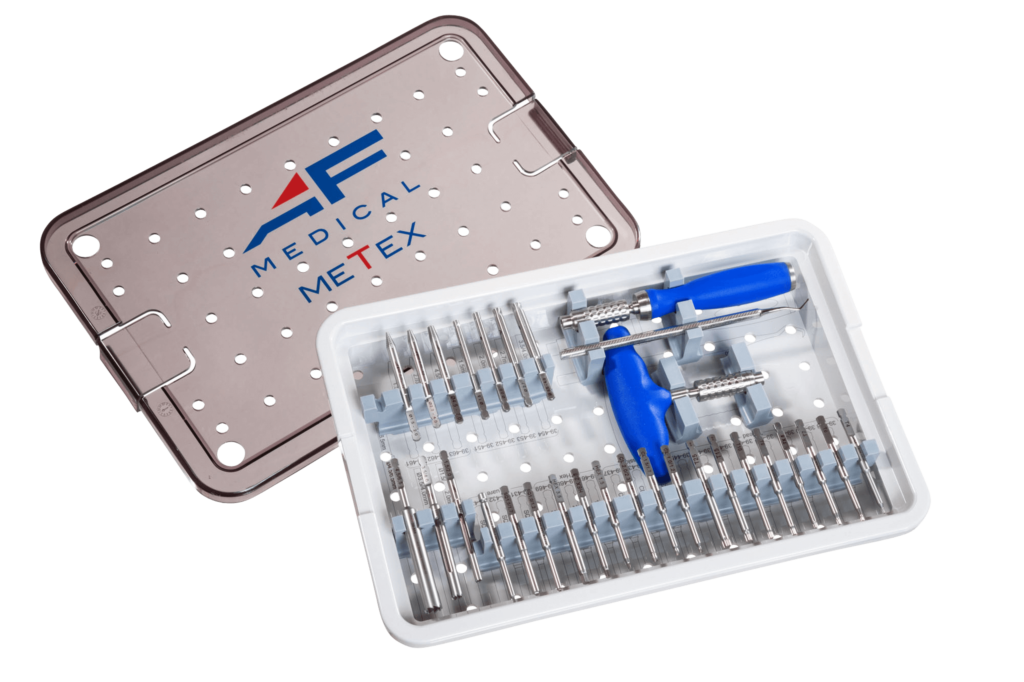
| Surgical Instruments | Instruments support implant preparation, insertion, alignment, reduction, and removal during trauma surgery. | Drill guides, depth gauges, insertion handles, reduction forceps, screwdrivers, reamers, targeting devices, and extraction tools. | Instrument durability, dimensional compatibility, ergonomic design, cleaning instructions, and reusable-device reprocessing must be addressed. |
| Quality Management | A medical-device quality system controls design, production, supplier management, nonconformities, and corrective actions. | Design controls, risk management, process monitoring, batch records, complaint handling, and post-market surveillance. | Manufacturers commonly align their quality systems with ISO 13485 and the applicable Chinese medical-device regulatory requirements. |
| Chinese Regulatory Framework | Medical devices marketed in China are subject to product classification, registration or filing, manufacturing controls, and post-market obligations. | Orthopedic implants and related trauma devices are regulated according to their intended use, risk level, and product characteristics. | The National Medical Products Administration is the principal national regulatory authority; specific requirements depend on device classification and applicable catalogues or standards. |
| Testing and Validation | Testing demonstrates that the product meets defined safety, performance, and usability requirements. | Dimensional checks, mechanical tests, fatigue testing, corrosion evaluation, packaging validation, sterilization validation, and biological evaluation. | The test plan should reflect intended use, implant duration, material, design features, sterilization status, and applicable standards. |
| Sterile and Non-Sterile Supply | Trauma products may be supplied sterile or non-sterile depending on device design, labeling, and intended clinical processing. | Sterile implants in validated packaging and reusable or non-sterile instruments supplied for hospital sterilization. | Packaging integrity, shelf life, sterilization method, residuals, labeling, and storage conditions must be verified and documented. |
| Supplier Evaluation Criteria | Supplier assessment focuses on technical capability, regulatory status, consistency, service, and supply continuity. | Quality certificates, product registration status, technical files, inspection capacity, production traceability, and export documentation. | Buyers should verify product-specific approvals, audit evidence, material certificates, change-control procedures, and complaint-response capability. |
| Customization and OEM/ODM Scope | Customization may involve product dimensions, anatomical geometry, instruments, packaging, labeling, or private technical specifications. | Custom plate contours, screw dimensions, instrument sets, packaging configurations, and engineering samples. | Changes affecting intended use, safety, performance, or regulatory documentation may require design verification, validation, and regulatory review. |
| Export and Documentation | Export-oriented suppliers must provide documentation suitable for the destination market and transaction requirements. | Product specifications, certificates of conformity, inspection records, packaging information, declarations, and shipping documents. | Destination-country registration, language requirements, authorized-representative rules, and import controls vary by jurisdiction. |