Orthopedic Implants Manufacturer

China Top 10 Orthopedic Technology Manufacturers

China’s orthopedic manufacturing sector combines precision machining, biomaterials research, and digital clinical workflows. This overview introduces ten notable Chinese manufacturers shaping Orthopedic Technology. Their products include implants, surgical instruments, navigation systems, and rehabilitation equipment. The selection considers more than production scale. It examines quality systems, regulatory readiness, engineering depth, product traceability, and hospital feedback. Experienced buyers also inspect surface finishing, packaging integrity, sterilization records, and technical instructions. The details matter. A polished catalog cannot replace consistent batch control or responsive technical support.

Each company profile connects products with practical medical settings. Examples include titanium spinal implants opened in sterile operating rooms and robotic planning platforms checked before surgery. Attention also covers material testing, design verification, surgeon training, export experience, and post-market feedback. Public certifications and published data provide useful signals, but they cannot answer every question. Evidence can shift. Reputation may vary by product line, destination, and hospital requirements. Therefore, this list supports due diligence rather than a final purchasing decision. Readers should confirm current approvals, applicable standards, warranty terms, and clinical documentation directly with manufacturers and qualified healthcare professionals. Some comparisons remain imperfect because performance data is not always transparent. That limitation deserves acknowledgment. Still, careful review can reveal suppliers combining dependable manufacturing, meaningful innovation, realistic service commitments, and safer pathways from factory floor to patient care.
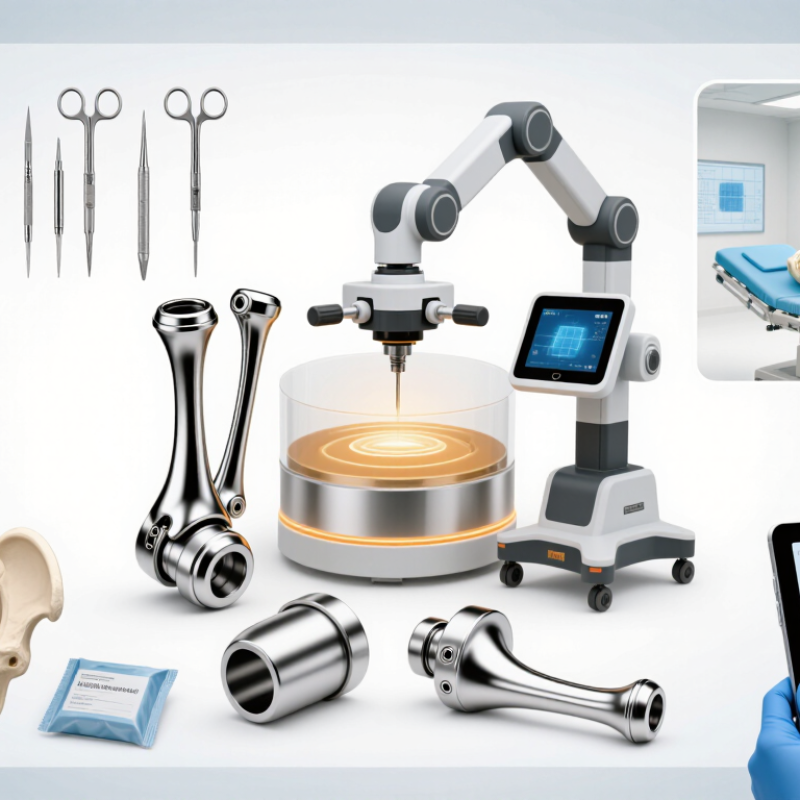
China Top 10 Orthopedic Technology Manufacturers

Scope and Criteria for Ranking China’s Orthopedic Technology Manufacturers

Scope and Criteria for Ranking China’s Orthopedic Technology Manufacturers

This ranking examines technology manufacturers serving China’s orthopedic care system. The scope includes implants, surgical instruments, digital planning, and rehabilitation-related technologies. It excludes distributors, hospitals, and companies with only trading operations. China’s National Bureau of Statistics reported 296.97 million people aged 60 or above in 2023. That demographic shift increases demand for joint reconstruction, spinal care, and fracture treatment.

The criteria combine measurable performance with clinical relevance. Regulatory registration and manufacturing traceability receive major weight. We also review research spending, patent quality, peer-reviewed evidence, and surgeon training. China’s national research statistics recorded about RMB 3.61 trillion in research and development expenditure in 2023. However, patent volume alone proves little. A stronger signal is repeated clinical use across hospitals, supported by transparent follow-up data.

Manufacturing quality is assessed through process controls, material testing, sterilization records, and complaint handling. Supply stability matters too, especially for implants needed during urgent procedures. Publicly available financial data, export records, and independent certifications support reliability checks. Market reports often forecast fast orthopedic growth, but forecasts can differ sharply. That weakness deserves attention. A fair ranking should disclose data gaps, update results annually, and separate mature products from promising technologies with limited long-term evidence.


China Top 10 Orthopedic Technology Manufacturers: Scope and Ranking Criteria

This chart presents a transparent, manufacturer-neutral scoring framework for evaluating orthopedic technology companies in China. The proposed weighting emphasizes clinical evidence, regulatory compliance, product coverage, manufacturing capability, research and development, and service or export readiness. The percentages represent ranking criteria weights rather than company-specific results.

China’s Orthopedic Technology Industry: Products, Innovations, and Market Roles

China’s orthopedic technology industry has expanded from contract production into design, engineering, and clinical collaboration. The phrase “top ten manufacturers” should describe capability, not simply sales volume. Leading producers commonly supply trauma plates, spinal systems, joint implants, surgical instruments, and rehabilitation equipment. Some also develop digital planning tools and patient-specific guides for complex procedures.

Manufacturing strength begins with material control and repeatable processes.

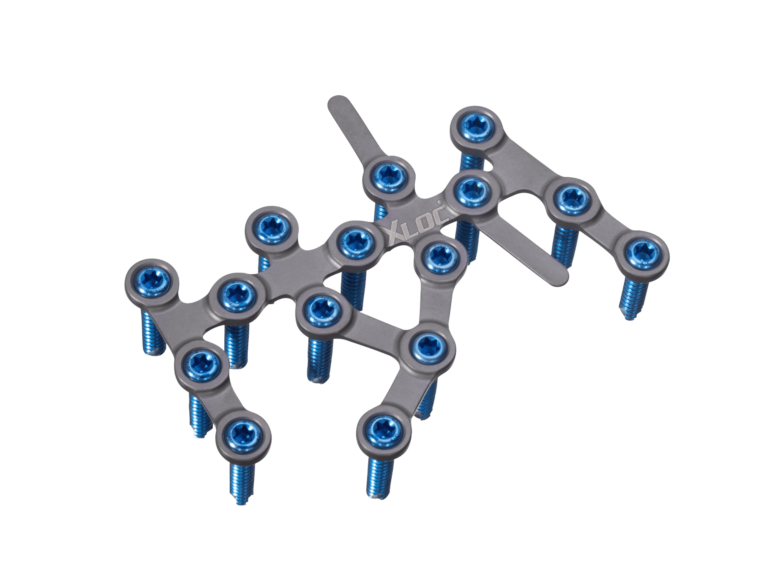
Titanium alloys, cobalt-chromium, PEEK, and medical-grade polymers require documented specifications. Facilities increasingly use CNC machining, additive manufacturing, porous coatings, and automated inspection.

A polished implant is not enough. Engineers must monitor heat treatment, dimensional tolerance, sterilization compatibility, and packaging integrity.

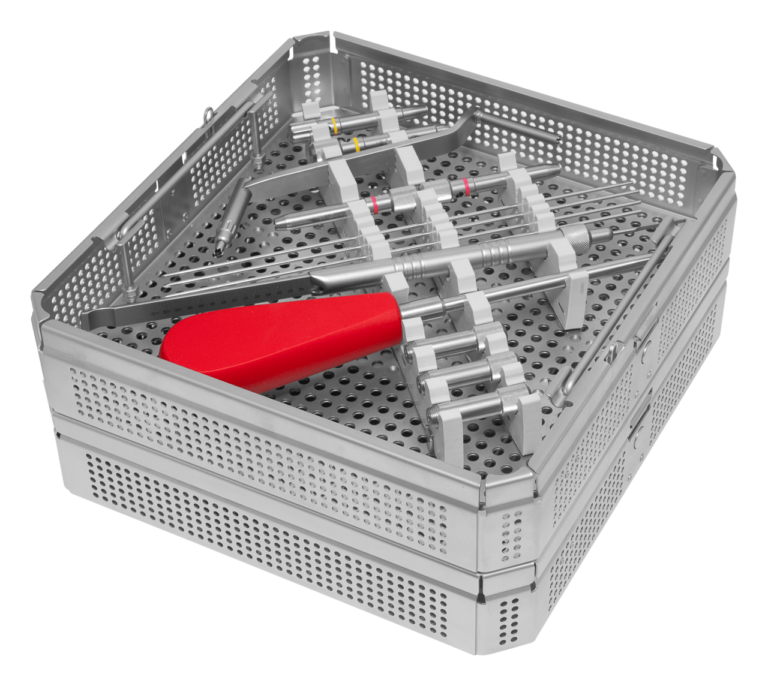
In operating rooms, surgeons also value intuitive instruments and dependable technical support. Small design flaws can add minutes to a procedure.

Innovation is becoming more practical than flashy.

Navigation systems, 3D printing, and data-assisted planning may improve accuracy in selected cases. Evidence remains uneven. That gap matters. A new design can appear impressive while lacking long-term clinical follow-up.

Reliable manufacturers therefore invest in clinical studies, post-market monitoring, supplier audits, and traceable production records. Hospitals and distributors should review registration status, quality certifications, validation reports, and service response before procurement. China’s strongest market participants are not always the loudest; some still need clearer evidence and better international communication.

Profiles of the Top 10 Orthopedic Technology Manufacturers in China

China’s orthopedic technology sector includes manufacturers serving trauma care, joint reconstruction, spinal surgery, and rehabilitation. This profile reviews ten leading groups through product focus, manufacturing depth, clinical cooperation, and quality practices. Rankings can change as evidence and market conditions develop.

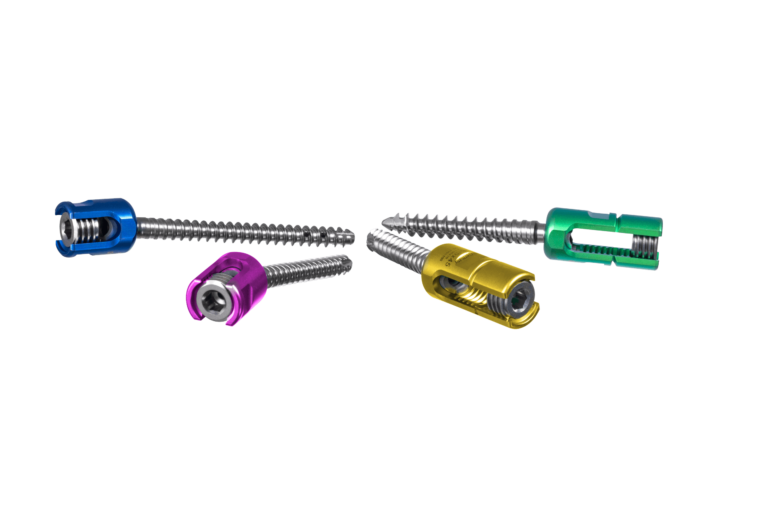
The first manufacturer focuses on trauma plates, screws, and intramedullary nails for fracture fixation. The second develops hip and knee replacement systems with attention to fit and surgical workflow. A third specializes in spinal implants, including cages and fixation systems. The fourth produces external fixation devices for complex injuries. The fifth combines orthopedic instruments with digital planning tools. The sixth supplies sports medicine products for ligament and tendon repair. The seventh manufactures bone graft substitutes and related surgical materials. The eighth emphasizes patient-specific implants made through additive manufacturing. The ninth supports rehabilitation with braces, mobility aids, and monitoring equipment. The tenth develops surgical navigation and imaging-assisted solutions.

Strong profiles should show more than impressive catalogs. They should provide traceable materials, controlled production records, validated sterilization, and clear post-market feedback. Factory audits, surgeon training, and documented clinical experience also matter. Some manufacturers report advanced capabilities, yet public evidence may remain limited. That deserves careful review. In practice, hospital teams should compare regulatory documentation, failure data, service response, and implant compatibility before choosing a supplier. Small details matter, such as instrument balance, packaging clarity, and delivery consistency. No profile is flawless. Honest evaluation remains essential.

China Top 10 Orthopedic Technology Manufacturers - Profiles of the Top 10 Orthopedic Technology Manufacturers in China
No. Manufacturer Profile Manufacturing Region Primary Orthopedic Technology Scope Representative Manufacturing Capabilities Common Regulatory and Quality Coverage Typical International Market Coverage Publicly Verifiable Data Dimensions
1 Profile A Beijing and North China Spinal implants, interbody fusion systems, trauma fixation systems, and surgical instruments Titanium alloy machining, precision instrument assembly, implant surface treatment, and sterilization validation China NMPA registrations; ISO 13485 quality-management certification; selected products supported by CE and other international submissions Asia-Pacific, the Middle East, Latin America, and selected European markets Product registration records, quality certificates, technical specifications, and distributor documentation
2 Profile B Shanghai and East China Joint-replacement components, orthopedic trauma implants, and minimally invasive surgical systems Cobalt-chromium and titanium processing, CNC machining, precision polishing, and cleanroom packaging NMPA product approvals; ISO 13485-based quality systems; CE-marked product lines where applicable Southeast Asia, the Middle East, Africa, and selected South American markets Regulatory filings, manufacturing-site information, product catalogues, and clinical-use documentation
3 Profile C Jiangsu Province Trauma plates, intramedullary nails, locking screws, and external fixation systems Cold forging, CNC production, anodizing, laser marking, and implant-instrument compatibility testing Domestic NMPA registration; ISO 13485 certification; export documentation for CE-oriented markets Europe, Asia-Pacific, the Middle East, and Latin America NMPA database entries, ISO certificates, technical files, and product-family listings
4 Profile D Zhejiang Province Spinal fixation, vertebral augmentation, bone screws, and minimally invasive spine instruments Small-diameter precision machining, cannulated instrument production, polymer component molding, and packaging control NMPA registrations; ISO 13485 quality management; selected export products supported by CE technical documentation Asia-Pacific, the Middle East, Eastern Europe, and Latin America Product registration certificates, risk-management files, quality certificates, and published technical data
5 Profile E Guangdong Province Large-joint replacement components, sports-medicine implants, and arthroscopy instruments High-precision metal machining, polymer processing, instrument kitting, surface finishing, and controlled-environment assembly NMPA approvals; ISO 13485 certification; international submissions prepared for selected product categories Southeast Asia, Africa, the Middle East, and selected European markets Regulatory registration information, product catalogues, facility certifications, and distributor records
6 Profile F Shandong Province Trauma fixation, spinal implants, bone-repair products, and orthopedic surgical tools Titanium and stainless-steel machining, forging, heat treatment, passivation, and mechanical testing NMPA product registrations; ISO 13485 quality system; export compliance based on destination-market requirements Asia, the Middle East, Africa, and Latin America NMPA records, certificate databases, material specifications, and quality-control documentation
7 Profile G Hunan Province Spinal stabilization devices, trauma implants, surgical instruments, and bone-fixation accessories Precision turning, laser cutting, implant finishing, instrument assembly, and batch traceability systems Domestic medical-device registrations; ISO 13485 certification; selected products prepared for CE-related submissions South Asia, Southeast Asia, the Middle East, and Africa Registration details, quality certificates, product instructions, and manufacturing-scope records
8 Profile H Hubei Province Joint-replacement accessories, trauma plates, screws, and orthopedic instrumentation CNC machining, precision grinding, coating or surface-treatment operations, cleaning, and sterile-packaging preparation NMPA registrations; ISO 13485-based processes; export files developed according to target-market rules Asia-Pacific, the Middle East, Africa, and selected Latin American markets Product registration data, manufacturing certificates, inspection reports, and technical catalogues
9 Profile I Sichuan Province Spinal implants, trauma fixation, minimally invasive orthopedic instruments, and bone-graft delivery tools Titanium machining, additive or prototype development, instrument design, cleaning validation, and quality inspection NMPA product registrations; ISO 13485 quality-management certification; selected international compliance documentation Southeast Asia, Central Asia, the Middle East, and Africa Public registration records, quality-system certificates, product instructions, and technical documents
10 Profile J Liaoning Province and Northeast China Trauma implants, spinal fixation systems, orthopedic instruments, and custom surgical solutions Metal forming, CNC machining, surface finishing, custom instrument production, and final product inspection NMPA registrations; ISO 13485 quality systems; export compliance assessed according to destination requirements Northeast Asia, Southeast Asia, the Middle East, and selected African markets Medical-device registration data, certificate records, product specifications, and quality documentation
Note: Manufacturer identities and brand-related information are intentionally omitted. The profiles summarize publicly verifiable dimensions commonly used to evaluate orthopedic-device manufacturers, including product scope, manufacturing capabilities, regulatory coverage, and international market presence.

Comparing Product Portfolios, Technologies, Certifications, and Global Reach

China’s leading orthopedic technology manufacturers differ sharply in product breadth. Some focus on trauma plates, screws, and joint replacements. Others build complete portfolios covering spine systems, sports medicine, surgical instruments, and navigation platforms. A wider catalog can simplify hospital purchasing, but it may also conceal uneven performance across product lines.

Technology comparison requires more than counting patents. Manufacturing experience appears in precise machining, porous coatings, additive manufacturing, and consistent implant tolerances. Digital planning, patient-specific guides, and robotic assistance may improve workflow, yet clinical value depends on training and operating-room compatibility.

Product evidence matters. So does practical support. Surgeons often notice instrument ergonomics before promotional claims.

Certifications provide a useful reliability filter. ISO 13485 indicates a structured medical-device quality system, while regional approvals and registrations show regulatory readiness. Auditable technical files, traceability records, biocompatibility testing, and post-market monitoring deserve close review.

Global reach should include local distributors, multilingual training, spare instruments, and responsive complaint handling. Export volume alone proves little. Some manufacturers serve many countries but offer limited clinical education. Others maintain strong engineering teams but lack dependable overseas service.

That weakness should not be ignored. Rankings are helpful, yet they can oversimplify a market where no supplier leads every category.

Key Trends Shaping the Future of China’s Orthopedic Technology Manufacturing

China’s orthopedic technology manufacturers are moving from volume production toward evidence-led innovation. The strongest forces are aging, digital surgery, and stricter quality expectations.

China’s National Bureau of Statistics reported that people aged 60 and above reached 22.0% of the population in 2024. This creates demand for joint replacement, trauma fixation, and spine solutions. The picture is uneven.

Frost & Sullivan’s China orthopedic implant market research projects sustained double-digit growth through 2027, driven by clinical adoption and healthcare access.

Manufacturers are investing in porous titanium, additive manufacturing, and patient-specific surgical planning. These technologies can improve bone integration and reduce operating-room adjustments. They also increase validation costs.

China’s National Medical Products Administration continues strengthening device registration and post-market oversight, according to its annual regulatory reports. As a result, factories need stronger traceability, fatigue testing, sterilization control, and clinical evidence.

Local supply chains are becoming more capable, especially for precision machining and biomaterials.

Yet advanced software and high-end sensors still expose technical gaps. Not every factory is ready.

Hospitals increasingly expect interoperable data, not isolated equipment. Artificial intelligence may assist planning, but surgeons still require transparent recommendations and reliable failure alerts.

This human oversight is often underestimated. The next competitive advantage may come from combining manufacturing discipline with measurable clinical outcomes, rather than adding more features.